Resume tips
Resume Mistakes That Cost You Interviews
Replace vague duties, crowded layouts and generic summaries with evidence that earns a closer look.
A summary that could belong to anyone
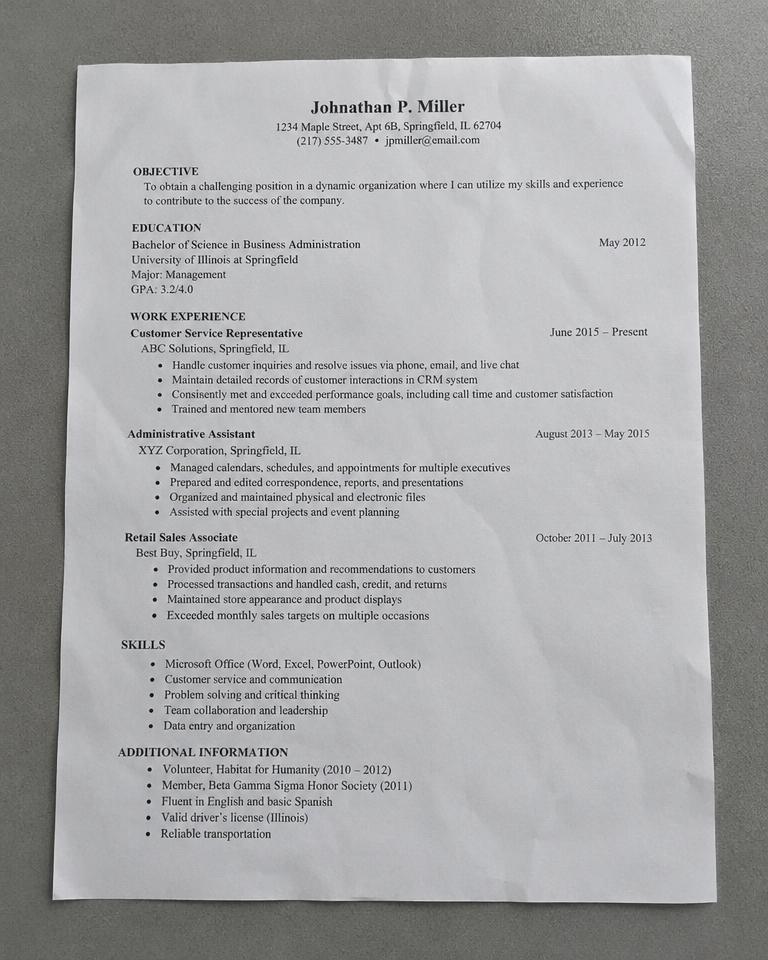
‘Hard-working team player seeking a challenging role’ tells a reader very little. State your professional focus and connect a few relevant strengths to the role you want.
A useful opening might identify your field, a genuine area of expertise and the type of problems you solve. Avoid claims you cannot support elsewhere in the document.
Duties without outcomes
Readers need to understand the difference you made, not just what your job required. Start with an action, add context, and explain the result when you can substantiate it.
If precise metrics are unavailable, use honest evidence: scope, frequency, complexity, improved processes or stakeholder feedback. Never invent a percentage to make a bullet look impressive.
Too much information, too little focus
A resume is a selected account of relevant experience, not a complete autobiography. Give recent, relevant work the most space and condense older or unrelated roles.
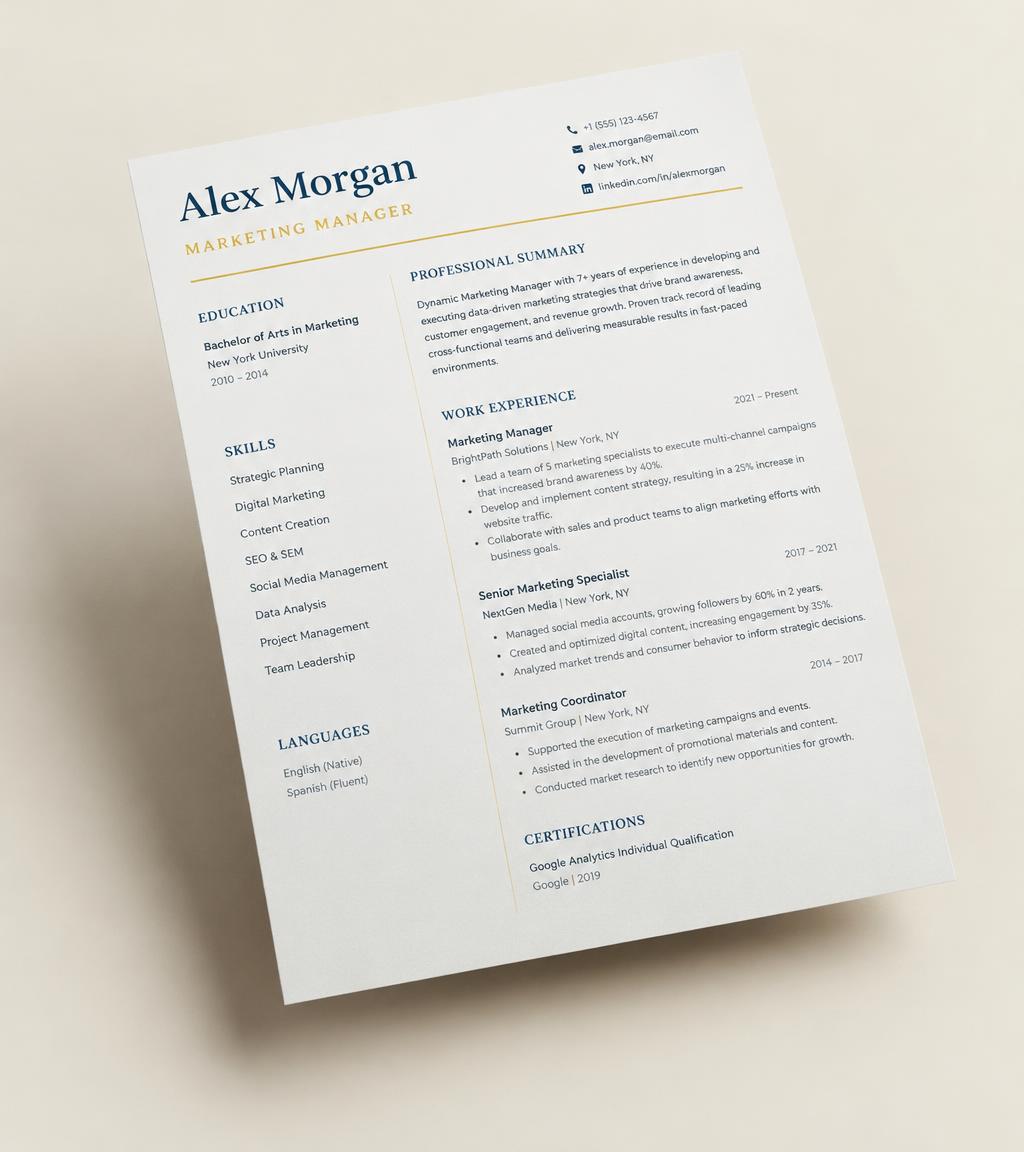
Leave enough white space for a quick scan. Use consistent typography and prioritize information over decorative elements.
Skipping the final review
Check names, dates, punctuation and contact details. Read the document aloud, then ask another person to review it.
Tailor the final version to the posting and use a clear filename. A small mistake can distract from strong experience, but a thoughtful final check is inexpensive.
Ready for a stronger resume?
Get a fresh perspective on your experience and next career move.
Get a Free Review